A supply chain is only as good as its data accuracy. Inventory discrepancies, duplicate supplier records, and information silos create inefficiencies that impede planning, slow procurement, and hamper decision-making. For multinational corporations, regional, system, and process complexity further increases these challenges, making structured supply chain management essential for efficiency, compliance, resilience, and reliable operations.
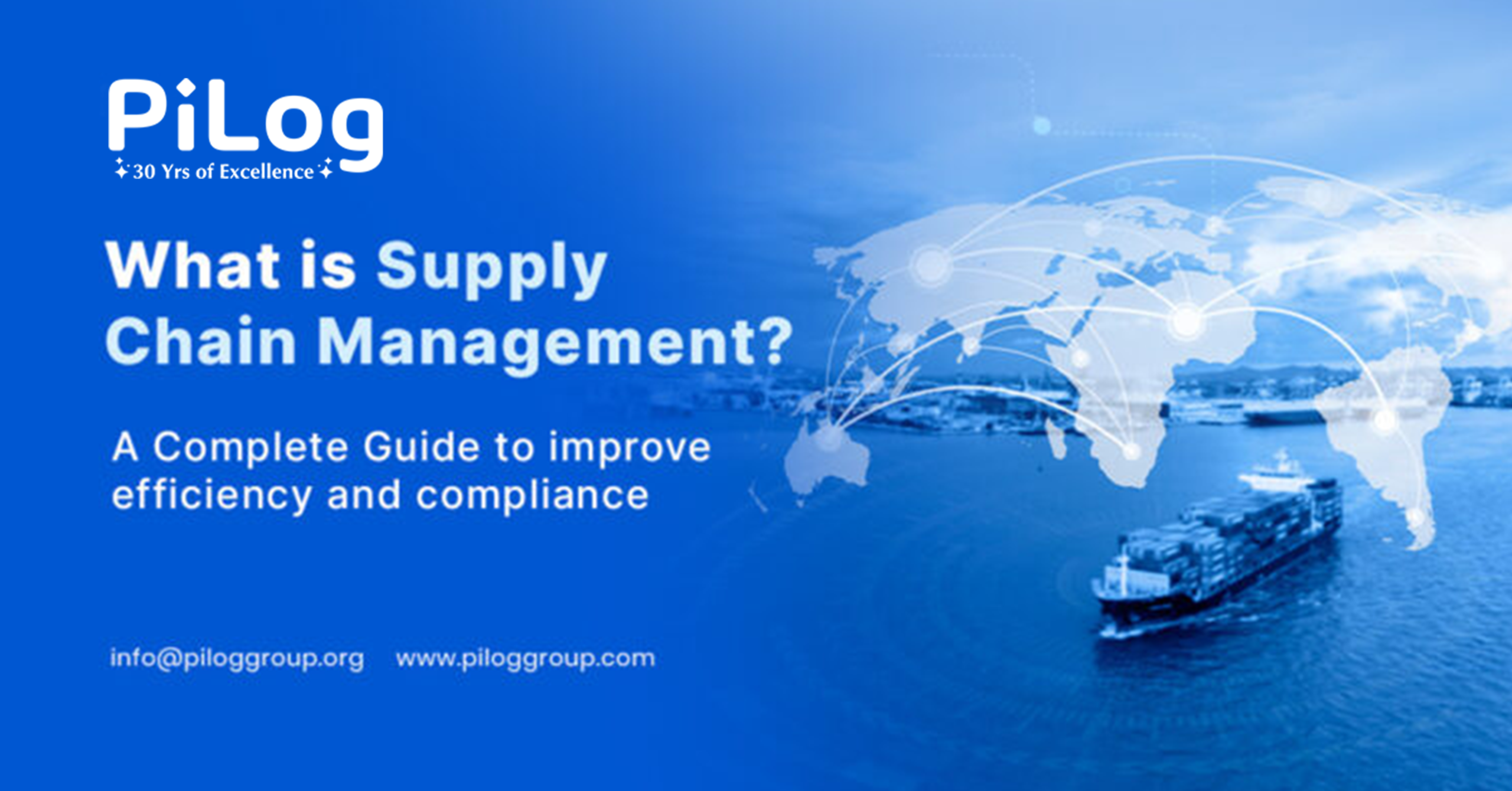
What is Supply Chain Management? A Complete Guide to improve efficiency and compliance
A multinational production corporation with factories all over North America, Europe, and Asia was totally reliant on the supply chain for production and delivery in a timely manner. The corporation operated ERP, procurement, and logistics systems to track suppliers, materials, and inventory.
But when it was asked a straightforward question “How many suppliers we actually deal with globally?” it replied differently in each system. Inventory counts also did not reflect reality on the shop floor. These inconsistencies derailed planning and made decision-making uncertain.
Case Study: A Global Manufacturing Company in Crisis
Problems Identified
Although warehouses reported shortages, stock data indicated that supplies were available, which caused manufacturing lines to be delayed.
Inaccurate inventory data:
There were duplicate contracts and talks as a result of suppliers being registered under various names in different locations.
Duplicate Supplier Records:
The incomplete integration of the ERP and procurement platforms resulted in poor visibility and update delays.
Disconnected systems:
Why Did These Problems Arise?
Supply chain data was kept independently by various factories and regional offices.
System Silos:
Workers made mistakes and duplicate entries by entering data in different ways.
Manual Data Entry:
No explicit rules governing name, categorization, or verification.
Lack of Governance:
Teams had to work with inconsistent or partial data because updates were delayed.
Outdated Procedures:
- Production Delays: Manufacturing lines stopped because of shortages.
- Inefficient procurement: Time lost on handling duplicate records and verifying vendors.
- Compliance Issues: Regulatory checks and audits were made more difficult by inconsistent data.
- High Costs: Duplicate purchases and missed supplier discounts raised costs.
- Eroded Trust: Supply chain reports were not trusted by the leadership.
Originally designed to facilitate efficiency, the supply chain ended up being a source of bottlenecks.
Impact of the Problem
Supply Chain Management (SCM) is the process of managing the movement of products, services, data, and money from suppliers to manufacturers to consumers along the whole supply chain. The right product is supplied at the right time, in the right quantity, and for the least amount of money due to a well-managed supply chain.
What Problems Can Supply Chain Management Face?
Even with contemporary systems, businesses frequently face the following challenges:
- Production Delays: Manufacturing lines stopped because of shortages.
- Inefficient procurement: Time lost on handling duplicate records and verifying vendors.
- Compliance Issues: Regulatory checks and audits were made more difficult by inconsistent data.
- High Costs: Duplicate purchases and missed supplier discounts raised costs.
- Eroded Trust: Supply chain reports were not trusted by the leadership.
What Needs to Be Done: Supply chain management
What is Supply Chain Management?
Here’s where PiLog Supply Chain Management excels, supported by robust SAP connection. PiLog offers a unified, trustworthy picture of supply chain data by fusing technology and subject-matter expertise.
How PiLog Solves These Problems:
Provides end-to-end visibility by seamlessly integrating inventory, logistics, and procurement.
SAP-Integrated Systems:
Planning is enhanced, and inconsistencies are eliminated with real-time updates.
Accurate Inventory Management:
Multiple supplier records are combined into a trustworthy profile.
Consolidation of Supplier Data:
Guarantees uniform system categories and consistent data across all departments.
Standardized Product Information:
Robust governance guarantees that documents are both auditable and compliant with legal requirements.
Compliance & Traceability:
Operational delays and procurement cycle durations are decreased by streamlined procedures.
Efficiency Gains:
PiLog creates a long-term framework for supply chain excellence rather than merely resolving problems.
Before and After: Transformation with PiLog
- Inventory data was fragmented and unreliable.
- Duplicate supplier entries caused delays and redundant negotiations.
- Procurement and ERP systems worked in silos.
- Lack of traceability created compliance risks.
- Supply chain leaders lacked confidence in reports.
Before PiLog Implementation:
- Centralized, SAP-integrated systems provided accurate, real-time visibility.
- Supplier records consolidated into single versions of truth.
- Procurement cycles became faster and more efficient.
- Compliance ensured with full audit trails and traceable records.
- Operations gained resilience, efficiency, and agility.
After PiLog Implementation:
As a certified SAP premium partner, PiLog solutions integrate seamlessly into SAP platforms. This provides a seamless transfer of supplier, inventory, and logistics information between ERP and procurement systems—providing real-time visibility, precise reporting, and streamlined operations.
Why Choose PiLog for Supply Chain Management?
All PiLog solutions conform to international ISO standards, meaning supply chain practices are the best by virtue of adhering to the best benchmarks of quality, consistency, and governance.
iContent Foundry Advantage
With more than 50 million+ templates, repositories, and libraries within reach, PiLog facilitates quick, accurate, and scalable standardization of product and supplier data.
AI-Powered Solutions
PiLog’s MirAI optimizes supply chain management by detecting duplicates, differences, and outliers between systems, allowing for proactive correction and predictive analytics.
Global Recognition & Awards
PiLog’s leadership has been certified by international awards and recognition, solidifying its excellence in driving data-driven transformation.
ISO Standards Compliance
Through a fusion of cutting-edge technology and industry best practices, PiLog helps organizations transition from siloed and error-prone supply chains to integrated, responsive, and transparent networks that are prepared for what the future throws their way.
FAQs
Inaccurate data leads to unplanned downtime and safety risks. PiLog ensures inventory and supplier data are accurate and trusted to keep operations running smoothly.
PiLog consolidates fragmented records into a single Golden Record, eliminating redundant negotiations and ensuring procurement teams use verified information.
Yes. As a Premium SAP Partner, PiLog integrates seamlessly with SAP S/4HANA to synchronize inventory, logistics, and procurement data in real-time.
Using AI and criticality analysis (ABC/XYZ/VED), PiLog optimizes stock levels to prevent stockouts of critical components while reducing excess working capital.
PiLog’s AI proactively detects anomalies and predicts disruptions, enabling asset-intensive businesses to shift from reactive fixes to predictive management.
PiLog embeds governance standards (ISO/UN/CEFACT) into the data lifecycle, logging every change for full auditability and regulatory compliance.
Yes. PiLog cleans, standardizes, and migrates legacy data into SAP S/4HANA with minimal downtime, ensuring immediate access to reliable data.
PiLog serves Oil & Gas, Utilities, Manufacturing, Defense, Aerospace, and Transportation, offering tailored frameworks for their unique operational needs.
Conclusion
The example of the global manufacturing corporation illustrates how incomplete inventory data, redundant supplier information, and isolated systems can pose gigantic supply chain management challenges.
The ideal solution is to implement an enterprise-class, integrated supply chain management platform. With PiLog Supply Chain Management and SAP-certified integration, organizations have centralized visibility, perfect data, standardized processes, and traceable compliance.
The outcome is straightforward: smoother operations, accelerated procurement, better supplier relationships, and supply chains that become a competitive advantage rather than a bottleneck.
Take the next step in transforming your supply chain. Partner with PiLog today to unlock operational efficiency, eliminate errors, and drive sustainable growth across your organization.