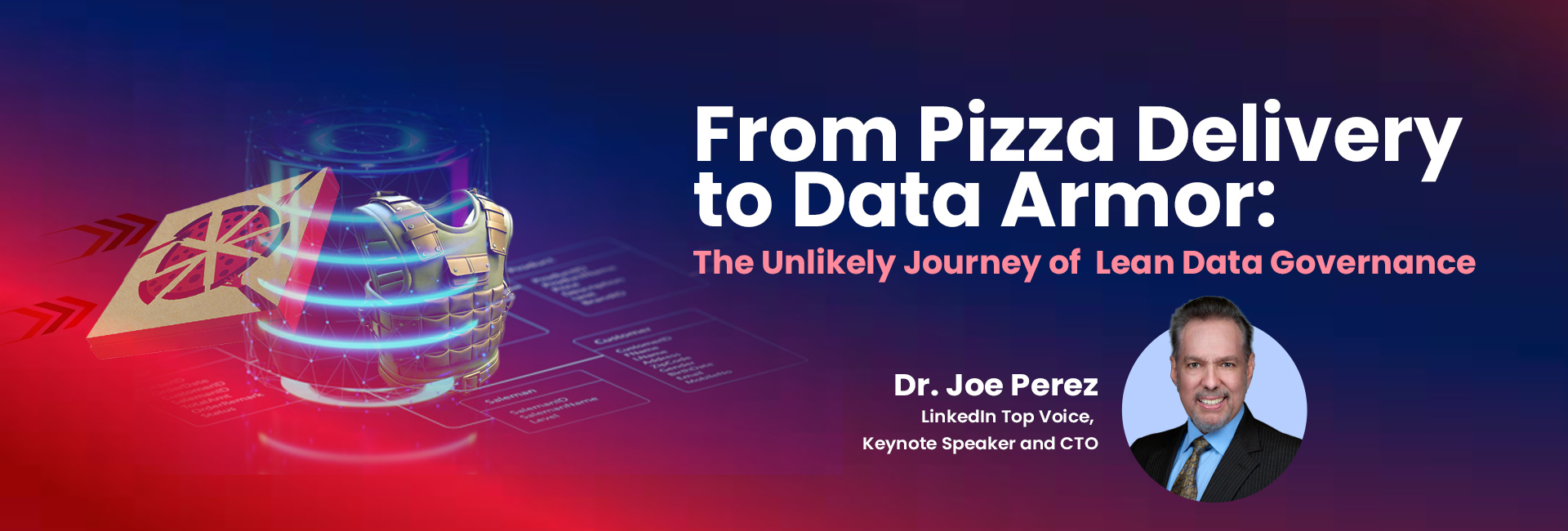
In the gritty streets of Detroit, Michigan, circa 1969, Richard C. Davis, a Marine and World War II veteran turned pizza shop owner, embarked on a seemingly mundane pizza delivery. Little did he know that this ordinary night would forever alter the course of personal safety and law enforcement. As Davis approached a dimly lit house, he encountered three shadowy figures lurking in the darkness. Their intentions were far from ordering a pepperoni pie. Instead, they aimed their nickel-plated automatic weapon directly at Davis's face. But Davis was no ordinary pizza delivery guy. He was armed with more than just a pizza box; he carried a .22 revolver tucked away for self-defense. In a moment straight out of a gritty noir film, Davis, his USMC training taking over, swiftly drew his weapon from beneath the pizza boxes and fired. Despite being wounded himself, he survived the encounter after injuring two of the would-be muggers. Davis lay in his hospital bed contemplating the dangers faced by people in far riskier professions than pizza delivery, wounded but inspired to create a solution.
Davis envisioned a protective garment that could shield law enforcement officers from harm. His determination was fueled by the memory of those cold, unforgiving bullets tearing through his flesh. Davis became a mad scientist in his pizza shop laboratory, experimenting with Kevlar—a material stronger than military nylon. He hunched over a workbench, stitching together rectangular panels—one for the front, another for the back—held together by sturdy straps. This prototype marked the birth of the world's first bulletproof vest. It wasn't sleek or fashionable, but it was a game-changer. Davis's vest design evolved like a secret recipe handed down through generations. He tweaked, adjusted, and iterated. The vest became lighter, more flexible, and better at distributing impact. Soon, police officers across the nation donned these life-saving garments. The pizza guy had become an unlikely hero—a guardian angel for those who patrolled the mean streets.
Much like Davis's quest to protect lives with his vest, organizations today face a critical question: How can we ensure the integrity and security of our data amid growing complexity and threats? This challenge lies at the heart of modern lean data governance efforts. As data ecosystems expand, integrating diverse sources and platforms, the risk of inaccuracies and security breaches increases. According to a 2023 report by Gartner, 70% of organizations with low levels of trust in their data identified data quality as the biggest challenge to making confident decisions. This statistic highlights the urgent need for robust governance frameworks that can navigate these complexities.
The underlying issues of data governance frequently arise from isolated data sources, the absence of standardized procedures, and inadequate collaboration across different functions. Siloed data environments foster redundancy and inconsistencies, making it challenging to maintain a single source of truth. Additionally, without standardized processes, data quality and compliance measures vary across departments, introducing further inefficiencies. The absence of collaboration between IT, business units, and compliance teams exacerbates these problems, as critical insights and strategies remain isolated rather than shared.
Davis's focus and approach embodied several lean data governance principles, despite preceding the formal lean movement. Just as lean emphasizes small, agile teams, Davis set up a tiny central group to work on prototypes and support users, rather than a massive project team. His iterative design process mirrored lean's obsession with reducing cycle times and gradually eliminating waste. Davis shaved off unnecessary elements, decluttering his vest into a lean, functional protection machine that delivered maximum value by stopping bullets—its core purpose.
In lean data governance, similar principles apply. Empowering small, agile teams to drive high-impact data management activities efficiently is paramount. Imagine a compact "Avengers" type strike team; that is, data superheroes focused on aligning existing efforts, identifying gaps, and charting a strategic course for the future. Unlike bureaucratic behemoths, this lean team operates nimbly, engaging stakeholders by delivering quick wins that demonstrate immediate value while building toward long-term objectives.
Prioritization is key. Just as Davis homed in on high-value features for his vest, lean data governance concentrates efforts on activities with the highest potential impact relative to the level of effort required. By engaging with stakeholders and developing a keen understanding of business goals, the team can prioritize foundational elements like data quality, metadata, and compliance in lockstep with emerging use cases and evolving requirements.
Efficiency reigns supreme; waste is the enemy. Redundant processes, unnecessary bureaucracy, and outdated conventions are systematically streamlined or discarded—much like Davis discarded non-essential elements from his vest design. Every workflow, every data flow, every governance policy is analyzed through the lens of efficient data management within a holistic IT ecosystem.
Collaboration across teams and disciplines is vital, echoing how Davis collaborated with material science experts on Kevlar. In lean data governance, data professionals work hand-in-hand with IT implementers, business analysts, legal and compliance officers, consistently sharing knowledge. They convene like the knights of the rounded table, slicing through cross-functional barriers to uphold the integrity and usability of organizational data assets.
To address the root causes of data governance issues, organizations can adopt several practical solutions. First, fostering cross-functional collaboration is crucial. By bringing together IT, business analysts, and compliance officers, organizations can ensure a unified approach to data management. This collaboration can be facilitated through regular workshops and shared platforms for data insights.
Secondly, adopting standardized processes across departments can significantly improve data quality. Establishing a centralized data governance framework with clear guidelines for data entry, quality assessments, and reporting promotes consistency and precision. It is essential to regularly evaluate and improve these processes to meet evolving business requirements.
Lastly, leveraging technology to automate routine data governance tasks can free up resources for more strategic initiatives. Tools that provide real-time data monitoring, automated compliance reporting, and metadata management can streamline operations and enhance overall efficiency.
In the virtual confines of a cutting-edge data governance "design studio," our lean data governance warrior (let’s call him “Alex”) is hard at work. Surrounded by visualizations of metadata, data lineage, and compliance policies, her mission is to craft a lean "data armor" framework as revolutionary as Davis's bulletproof vest design.
Alex operates in an agile manner, constantly iterating and evolving her data governance blueprints. Rigid, bureaucratic processes have no place here; instead, she champions a malleable, collaborative operating model. The "straps" holding her design together represent cross-functional input from IT, legal, line-of-business teams, and other key voices. Like Davis, Alex embraces an open stream of insights to refine her creation continually.
At the core of Alex's framework lies the "Impact Distribution Layer"—an architectural philosophy ensuring seamless data flow from sources to consumption points. Just as Davis optimized his vest to absorb and distribute the force of impacts, Alex's design principles prioritize data integration and interoperability. When a new query or reporting requirement hits the pipeline, the impact propagates gracefully with no systemic shocks or weak points.
Moreover, Alex places a laser-like focus on value, establishing a "Value Shield" that blocks low-return activities from sapping time and resources. Unnecessary bureaucracy, convoluted processes, anything that doesn't directly fuel data-driven insights or protect compliance—it gets jettisoned from the design, aligning perfectly with lean's abhorrence of waste.
The design process births its own unexpected innovations along the way, much like Davis stumbling upon the Kevlar breakthrough. Perhaps Alex's team unearths a long-overlooked data source that suddenly illuminates new behavioral patterns. Or perhaps a supply chain data mart turns out to be the missing regulatory compliance link. These "happy accidents" emerge as Alex's tight-knit crew remains endlessly curious and engaged with stakeholders across the organization.
The story of Richard C. Davis's journey from a wounded former Marine to the inventor of the bulletproof vest illustrates key principles that parallel the realm of lean data governance. Organizations strive to protect their data assets in the same way Davis sought to protect human lives through innovative yet pragmatic means.
For organizations embarking on the lean data governance journey, the following recommendations stand out: prioritize cross-functional collaboration, standardize processes, and leverage technology for automation. Addressing the root causes of data governance challenges with these strategies will enable organizations to enhance data integrity, reduce waste, and improve overall efficiency.
Moreover, both stories underscore the importance of multidisciplinary collaboration in tackling complex challenges. Davis's success stemmed from materials science experts providing the Kevlar insights his pizza shop lacked. In much the same way, the most effective data governance initiatives thrive by convening cross-functional strikers from IT, business operations, legal/compliance, and other critical viewpoints.
So, whether you're crunching numbers in a corporate data center or slinging pizzas on the city streets, the inspirational tales of Richard C. Davis and lean data governance pioneers remind us all that we're part of a lineage of unconventional problem-solvers. By combining personal experience, professional expertise, and a passion for enhancing safety and operational resilience, we can transform unexpected adversity into revolutionary armor for the modern digital era.
In conclusion, just as Davis's brush with mortality catalyzed his innovative journey, countless lean data governance champions today are driven by real-world challenges; that is, siloed, inaccurate, or redundant data crippling operational efficiency and clouding strategic vision. Such pain points spur data professionals to become revolutionaries in their own right, designing and implementing lean frameworks that deliver agility, prioritization, efficiency, and collaboration as standard operating procedures.
Dr. Joe Perez is a powerhouse in the IT and higher education worlds, with 40-plus years’ experience and a wealth of credentials to his name. As a former Business Intelligence Specialist at NC State University and currently a Senior Systems Specialist / Team Leader at NC Department of Health & Human Services with more than 18,000 LinkedIn followers and a worldwide reputation as an award-winning keynote speaker, data viz/analytics expert, talk show co-host, and published author, Perez is a highly sought-after resource in his field. He speaks at dozens of conferences each year, reaching audiences in over 20 countries and has been inducted into several prestigious Thought Leader communities and featured on a billboard in Times Square. When he’s not working, Dr. Joe shares his musical talents and gives back to his community through his involvement in his church’s Spanish and military ministries.